NOBORIBETSU DATE JIDAIMURA

Select Packages
About NOBORIBETSU DATE JIDAIMURA
 AI Summary
About NOBORIBETSU DATE JIDAIMURA
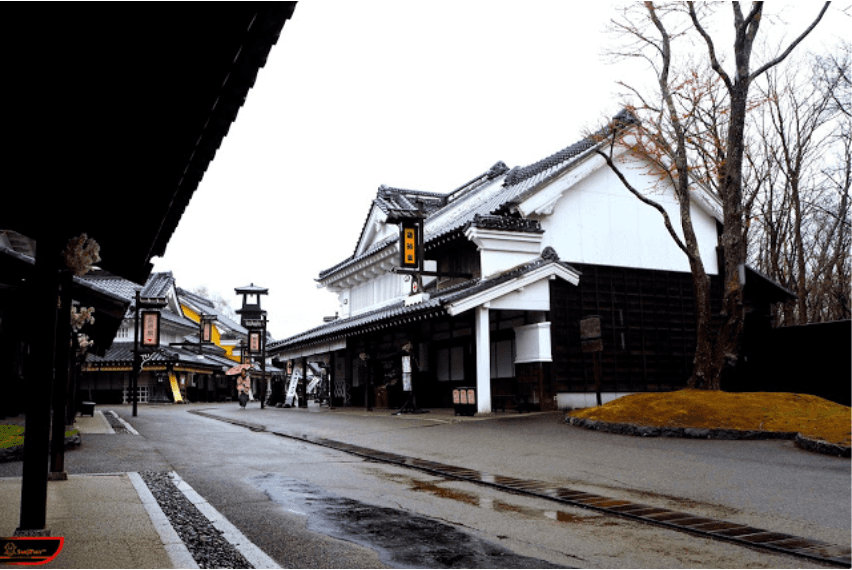
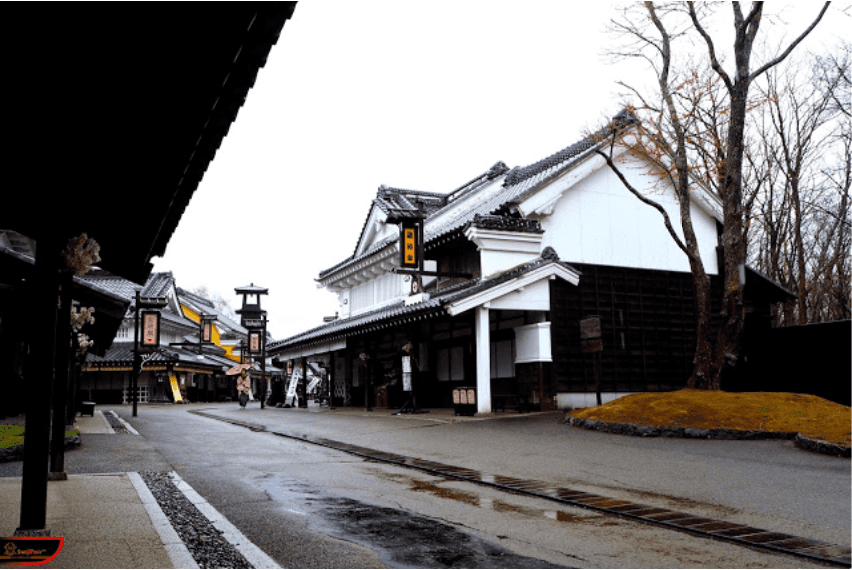
Noboribetsu Date Jidai Mura is a theme park that recreates the atmosphere and lifestyle of the Edo period (1600-1864), focusing on shows and experiencing society from that era. Various details within the village have been meticulously reconstructed based on research, and there are a total of 94 wooden buildings.
Why NOBORIBETSU DATE JIDAIMURA is a must
Enjoy a realistic recreation of the streets and lifestyle of the Edo period, complete with theatrical performances, ninja combat shows, and Oiran shows.
Top things to do at NOBORIBETSU DATE JIDAIMURA
Explore the village through the main gate, Otemon, and enter the Shouka Gai (commercial district) and Shitamachi (commoner's district). Watch shows at the large ninja theater with high-resolution screens and high-quality sound, the Oiran theater, as well as ninja combat and martial arts demonstrations. You can also take photos with people in traditional Edo costumes and experience Japanese tea ceremony and Edo-period cuisine.
Frequently Asked Questions About NOBORIBETSU DATE JIDAIMURA
AI Summary