Ashok Country Resort
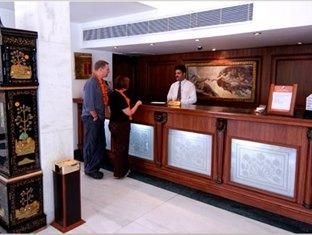



Reviews from Guests
3.0/5

551
Reviews
from real guests
Facilities Details

Breakfast service

Free Parking

Airport Shuttle (surcharge)

Air Conditioning

Free Wifi

Spa

Sauna

Fitness Center

Bar

Laundry

Baggage Storage
Meeting stationery

Business Center

24-Hour Front Desk
Garden

Snack Bar

Ticket Service

Currency Exchange

Daily Housekeeping

Outdoor Pool

Restaurant

Room Service
On-site accessible self parking
Newspapers
Bottle of water
Accessible concierge desk
4 Available Room Types


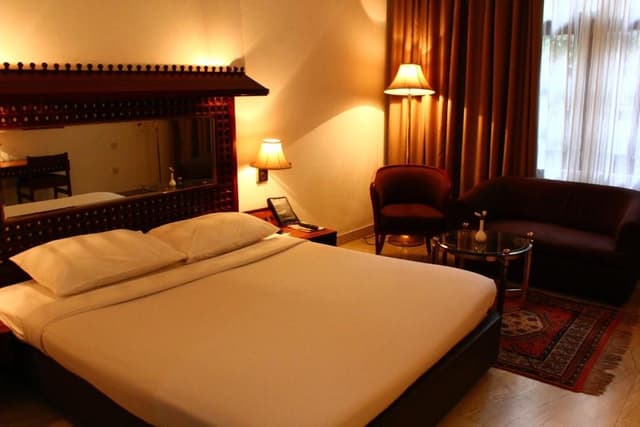
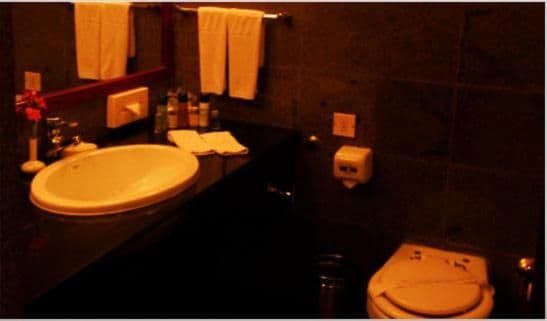

Deluxe Double Room (2 Adults + 1 Child)

Air Conditioning

Bathroom

Free Toiletries

Tea/Coffee Maker

Electric Kettle

Garden view
![Internet [LAN]](https://d3p9pa0orw8xnp.cloudfront.net/images/gother/icon/amenities/check.svg)
Internet [LAN]

Ironing Facilities

Minibar

Private bathroom

Shower

Toilet

Towels

TV

Wardrobe/Closet

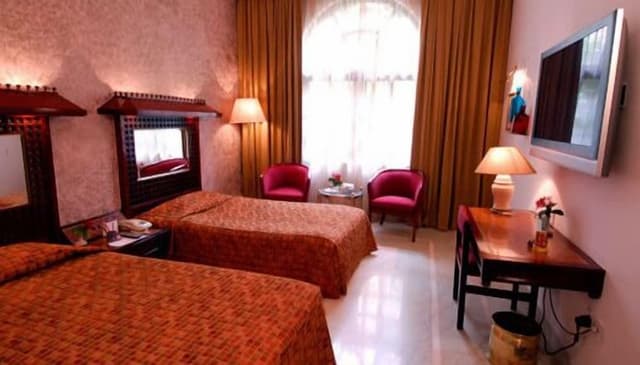


Twin Room
Towels

Hair dryer
Non-smoking
TV
Shower
Air Conditioning
Blackout curtains
Private bathroom
Minibar
Free Toiletries
Tea/Coffee Maker
Daily housekeeping

Free Wifi

Extra Long Beds (> 6.5 ft)

Telephone

Desk
Room service [24-hour]
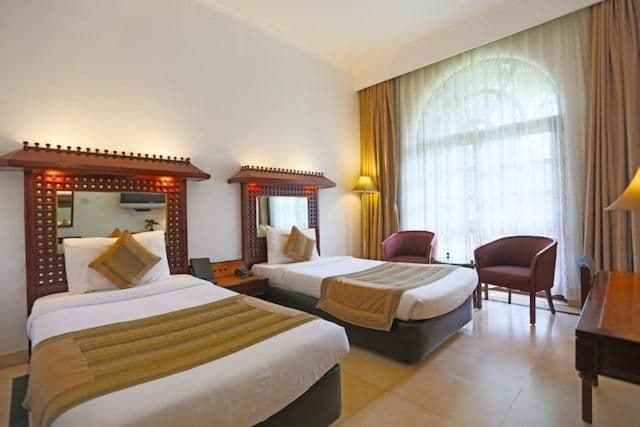


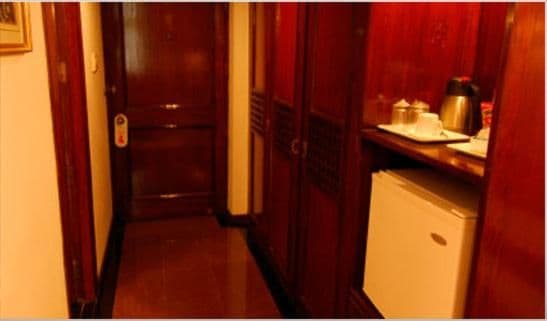
Deluxe Twin Room
Air Conditioning
Bathroom
Free Toiletries
Tea/Coffee Maker
Electric Kettle
Garden view
Internet [LAN]
Minibar
Private bathroom
Shower
Toilet
Towels
TV

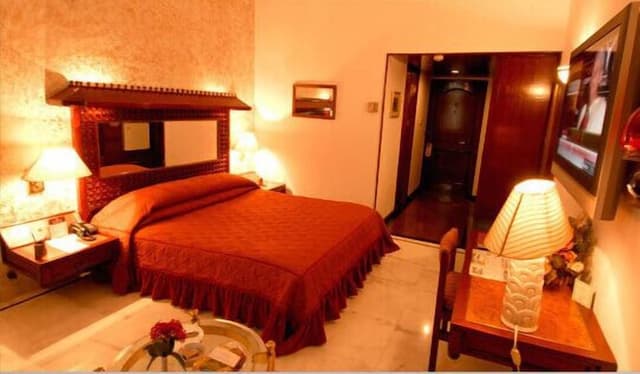

Double Room
Towels
Hair dryer
Non-smoking
TV
Shower
Air Conditioning
Blackout curtains
Private bathroom
Minibar
Free Toiletries
Tea/Coffee Maker
Daily housekeeping
Free Wifi
Extra Long Beds (> 6.5 ft)
Telephone
Desk
Room service [24-hour]
Facilities Details
Pool and Spa
Spa
Sauna
Fitness Center
Outdoor Pool
Parking and Transportation
Airport Shuttle (surcharge)
Free Parking
Food & Drink
Snack Bar
Restaurant
Room Service
Bar
Breakfast service
Bottle of water
Front Desk Services
Baggage Storage
24-Hour Front Desk
Ticket Service
Currency Exchange
Newspapers
Entertainment and Family Services
Meeting stationery
Business Facilities
Business Center
Cleaning Services
Laundry
Daily Housekeeping
Internet Access in public areas
Free Wifi
Miscellaneous
Garden
On-site accessible self parking
Air Conditioning
Accessible concierge desk