This was not our first stay with GB Hotels, and certainly not our first visit to Abano Terme. We come to Abano almost every year, and after an excellent experience at the Grand Hotel last year, we decided at the end of August 2026 to spend three nights at Hotel Due Torri.
Unfortunately, the contrast could hardly have been greater.
We arrived with high expectations. After all, Due Torri presents itself as a five-star hotel and belongs to a group with a strong reputation. What we experienced, however, felt in many areas surprisingly far removed from the standards one normally associates with a genuine five-star property.
To give credit where it is due, the entrance and lobby make a reasonably good first impression. Reception staff were professional, courteous, and efficient. Housekeeping was also good: our room was clean, service was fast, and the room attendants did their job well.
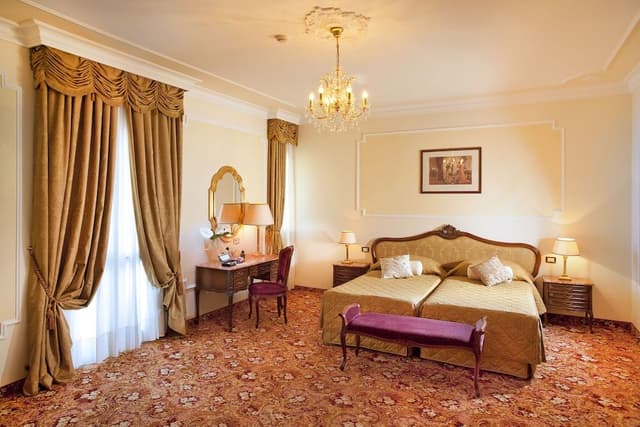
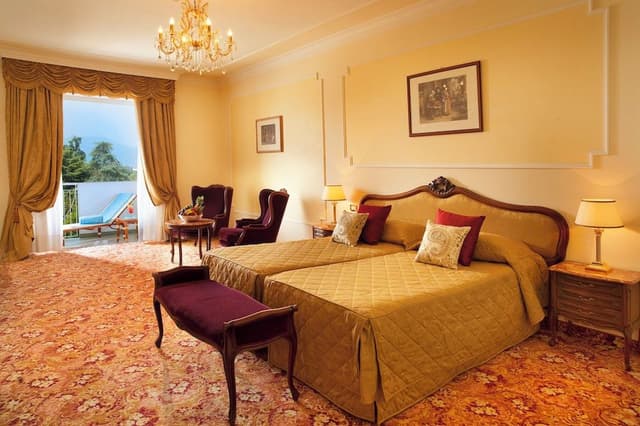
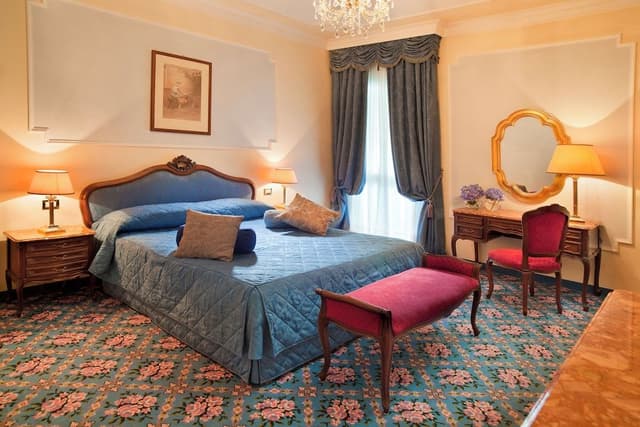
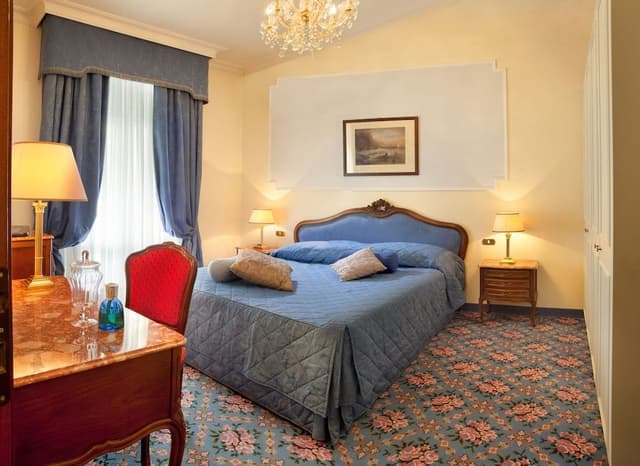
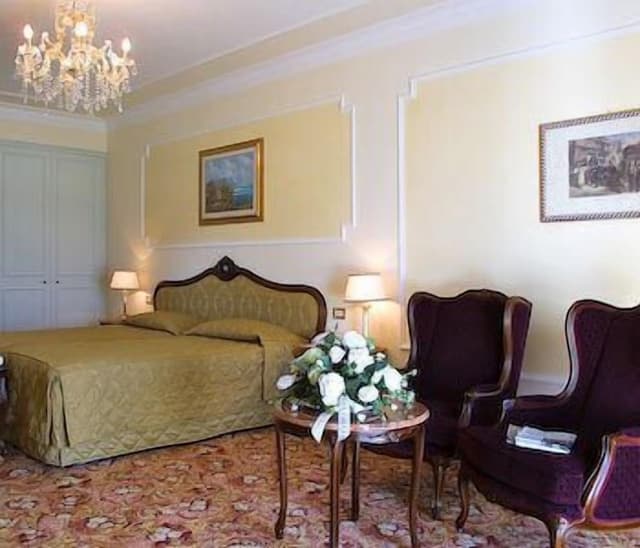
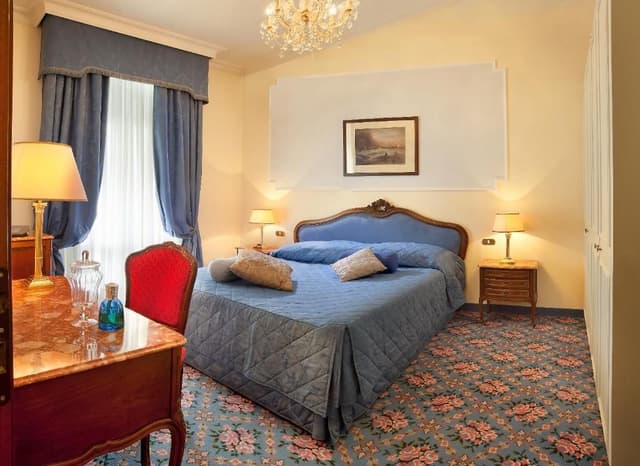
The room itself, however, already showed signs that the property is not being maintained at the level one would expect from a luxury hotel.
But the real disappointment was the food.
Breakfast: nowhere near a five-star standard
Breakfast was, quite frankly, one of the weakest aspects of our stay.
Overcooked croissants that appeared previously frozen, pre-prepared fruit salad, peeled orange segments seemingly delivered ready to serve, disappointing coffee, and an overall impression of inexpensive, industrial catering rather than 5-star hospitality.
We have stayed in many five-star hotels internationally, and this breakfast was simply not comparable with the standards we have experienced elsewhere.
The problem was not simply that one or two dishes were disappointing. It was the overall philosophy of the buffet: too much appeared pre-prepared, packaged, or supplier-made, with very little sense of freshness, craftsmanship, or generosity.
At a five-star hotel in a destination such as Abano Terme, breakfast should be one of the pleasures of the day. Here, it felt cheap, tired, and remarkably uninspired.
Dinner was even more difficult to understand.
Sadly, dinner did little to repair the impression.
Some buffet salads looked as though they had come directly from supermarket bags. Tomatoes were presented carelessly. Several dishes tasted strongly of commercial seasoning or stock products rather than careful restaurant cooking.
The curried rice was particularly poor—bland, unpleasant, and, for me, one of the worst versions of such a simple dish I can remember eating.
Fish dishes were also disappointing. Some appeared to have been previously frozen, while others were excessively salty.
This is not what one expects from the restaurant of a five-star hotel.
Saturday evening was perhaps the most baffling experience of all. The buffet offered an extraordinary quantity of cakes, desserts, and fruit, but remarkably little savory food. After 8 p.m., at dinner, it felt more like an oversized breakfast-dessert buffet than an elegant evening meal.
A few tired salads, roughly cut tomatoes, and an enormous collection of cakes do not constitute a five-star dinner.
It left us asking a very simple question: who is designing this food concept, and for whom?
€7.50 for boiling water and a cheap tea bag
One small episode perfectly captured the larger problem.
At the end of dinner we wanted tea with our desserts. We asked whether Karkadè was available. The waiter was unsure, so we said mint tea would be fine if not.
After around ten minutes, two mint teas arrived.
What did we receive for €7.50 each?
Boiling water, a basic commercial mint tea bag, and two dry biscuits.
That was it.
The issue is not the €7.50. In a luxury hotel, guests expect to pay premium prices.
The issue is what is delivered in return.
In good five-star hotels around the world, tea service is treated as a small ceremony: a quality tea selection, proper presentation, good teaware, and some attention to detail.
Here, charging €7.50 for hot water and what looked like an inexpensive supermarket tea bag was almost surreal—particularly when an espresso in the same hotel costs around €2.50.
Premium pricing is perfectly acceptable. Premium pricing for a visibly non-premium product is not.
Atmosphere: more noisy resort entertainment than refined spa hotel
The evening atmosphere was another disappointment.
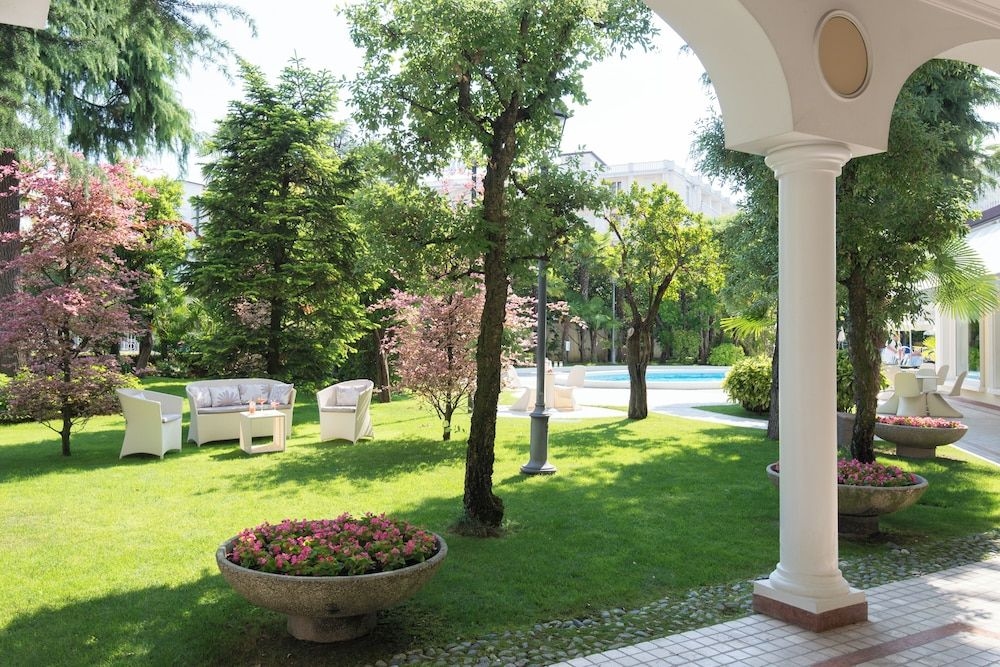
Piano music during dinner leaned heavily toward sombre, rather depressing songs, while entertainment in the garden included singers performing at such high volume that it became difficult to relax in the room, watch television, or simply enjoy some peace.
The overall effect occasionally reminded us less of an elegant Italian thermal retreat and more of the entertainment program of a mass-market resort.
That may appeal to some guests. For us, it completely missed the point of Abano.
People often come here precisely to escape the noise of large cities—to rest, enjoy the thermal waters, sleep well, and experience tranquillity.
If somebody wants nightlife, a loud concert, or Ibiza-style entertainment, there are many destinations designed specifically for that.
A five-star thermal hotel should, in my opinion, understand the difference between creating atmosphere and destroying tranquillity.
Spa and pools
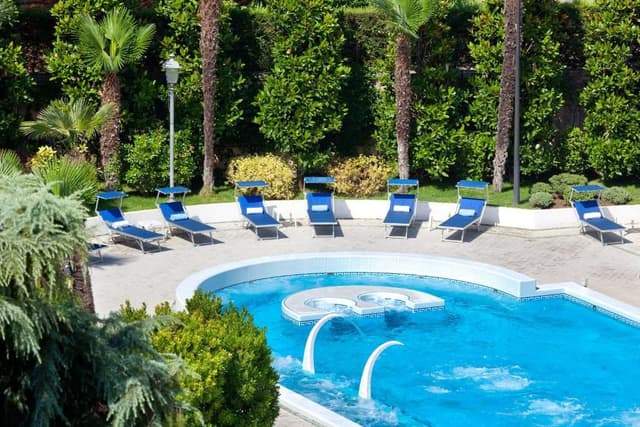
The pools were particularly crowded during the weekend, and most of the thermal water felt excessively hot for comfortable relaxation, apart from one smaller pool.
The layout also feels somewhat fragmented, with the gym, beauty treatments, and breakfast area on one floor while many other facilities are on the ground floor. This is not a major issue in itself, but it adds to the feeling that the overall experience lacks the effortless cohesion one expects from a top luxury hotel.
One exceptional professional
The most memorable person during our stay was the restaurant manager in the evenings.
He was exceptional.
Professional, elegant, and attentive, possessing that increasingly rare old-school style of hospitality where a guest immediately feels that someone genuinely understands the profession.
He represented exactly what a five-star hotel should be.
Unfortunately, his professionalism also highlighted how inconsistent the rest of the experience felt.
Final verdict
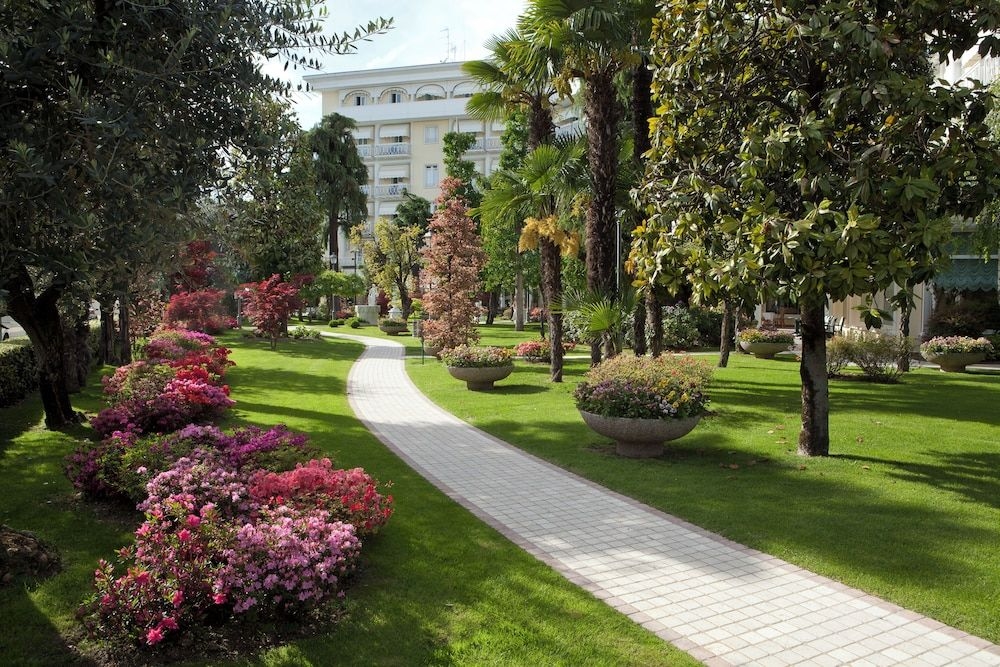
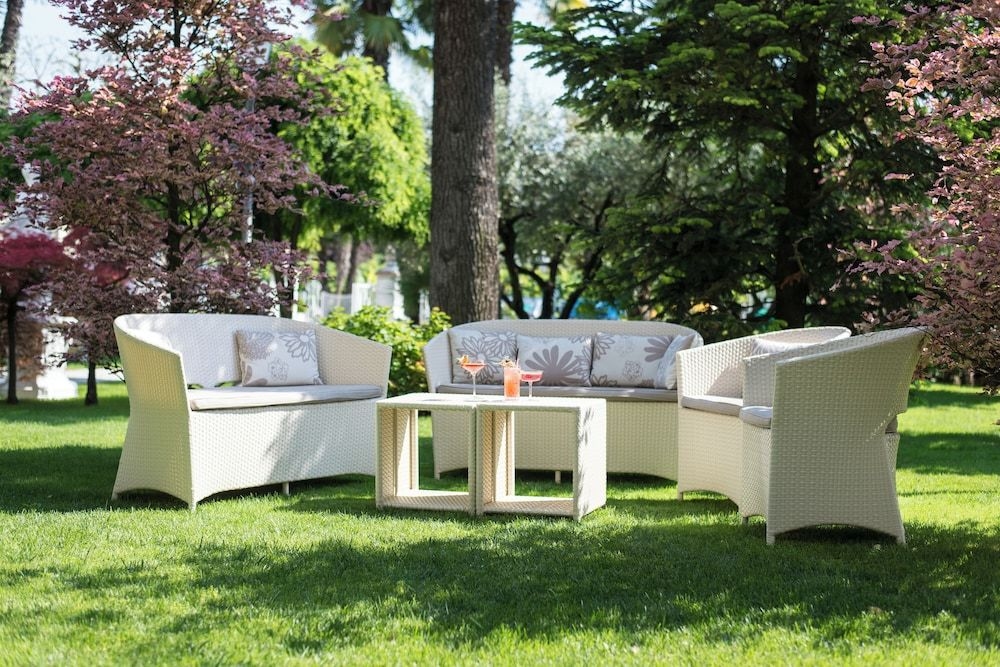
Hotel Due Torri is not a terrible hotel. It has polite staff, good housekeeping, attractive public areas, and undoubtedly many loyal guests.
But that is not enough when you present yourself as a five-star luxury hotel and charge accordingly.
Five stars are not created by marble floors, a prestigious name, or an expensive room rate.
Five stars are found in the details: excellent ingredients, fresh food, refined service, thoughtful presentation, tranquillity, consistency, and the feeling that every part of the guest experience has been carefully considered.
For us, too many of those details were missing.
The food in particular was so far below our expectations that it fundamentally changed our opinion of the stay.
After our excellent experience at another GB property, we arrived expecting the same level of quality. We left genuinely disappointed.
Do not be persuaded simply by the five stars or the price. In our experience, Hotel Due Torri currently feels a considerable distance from the international five-star standard we know.
I would much rather pay more for a genuine luxury experience than pay five-star prices for something that too often feels ordinary.
Sadly, we would not choose Due Torri again.