Ryokan Sanga




Reviews from Guests
4.0/5

374
Reviews
from real guests
Facilities Details

Breakfast service

Free Wifi
Internet
Family/child friendly

Family Rooms

Hot Spring Bath

Spa
Shared Kitchen

Heating

Designated Smoking Area

English Spoken
Japanese Spoken
Wi-Fi in public areas
Garden

Massage

Daily Housekeeping
Dutch Spoken

Suit Press

Restaurant

Room Service

Elevator

Library
Smoke-free property
Car park [free of charge]
Car park [on-site]

Karaoke
Discounts recommended for you
Get an exclusive discount and book now!
6 Available Room Types


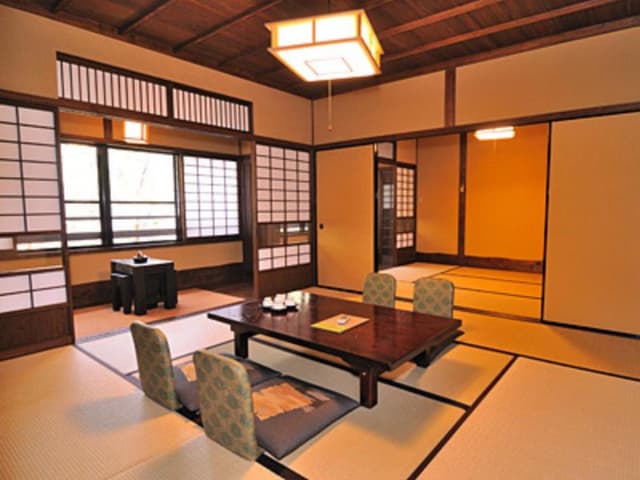
Ho-no-ki Japanese Style Room with 8+8 Tatami and Private Outdoor Onsen - 26.5 sqm

27 Square Meter

Hair dryer

Open air bath privileges

Private bathroom

Free Toiletries

Towels
Hot spring access

Telephone

TV

Air Conditioning

Heating

Linens

Slippers

Tea/Coffee Maker
Complimentary tea

Refrigerator

Sitting Area
Tatami flooring
Trash cans
Window
Carbon monoxide detector
Fire extinguisher
Individual air conditioning

Safe

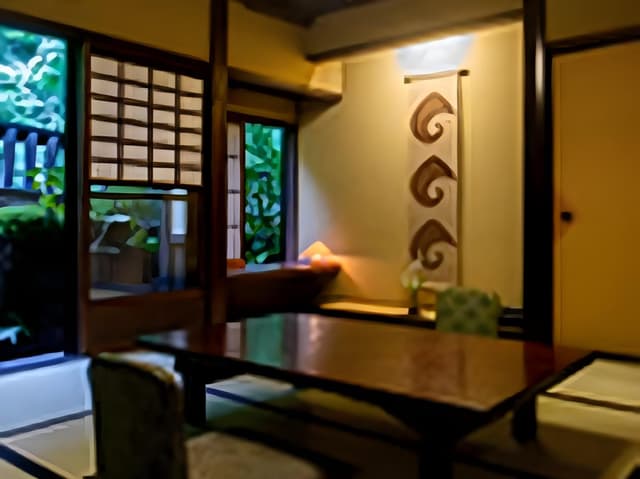

Nejiki or Tsuribana Japanese Style Room with 8 Tatami and Private Indoor Onsen - 14.6 sqm
15 Square Meter
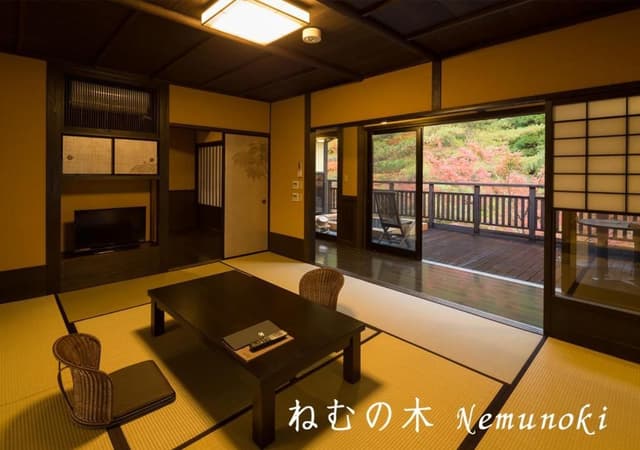

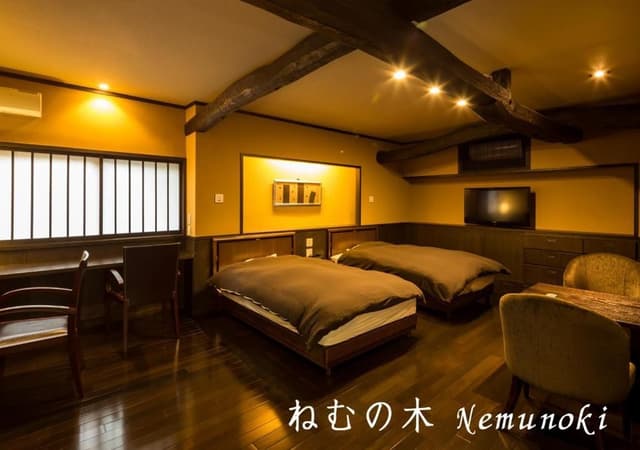
Nemu-no-ki Annex Japanese Western Style Room with Private Indoor and Outdoor Onsen - 36.4 sqm
36 Square Meter


Natsutsubaki Japanese Style Room with 8+6 Tatami and Private Indoor Onsen - 23.2 sqm
23 Square Meter


Ego-no-ki Japanese Style Room with 8+6 Tatami and Private Indoor Onsen - 23.2 sqm
23 Square Meter
Hotel Details
 AI Summary
About Ryokan Sanga
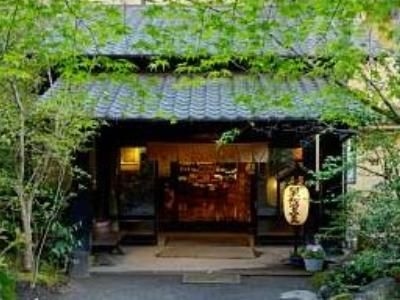
Ryokan Sanga is a tranquil 4-star ryokan nestled in Kumamoto, Japan, offering guests an authentic Japanese inn experience. This charming retreat provides a serene atmosphere perfect for relaxation and immersing in local culture, making it an ideal choice for travelers seeking a traditional stay.
Services & Amenities at Ryokan Sanga
Ryokan Sanga provides a delightful array of amenities for a comfortable stay. Guests can enjoy free Wi-Fi and internet access, along with Wi-Fi in public areas. Relaxation is assured with a garden, massage service, and a spa, featuring a hot spring/onsen. Dining options include a restaurant, room service, and a shared kitchen, complemented by breakfast service and daily housekeeping. The property also features an elevator, a library, heating, a non-smoking policy with a designated smoking area, and staff proficient in English, Japanese, and Dutch, along with a suit pressing service.
Location & Getting to Ryokan Sanga
Ryokan Sanga is located at 6961-1 Mangangi Minamioguni Aso, Kumamoto, Japan. Situated in the picturesque Aso region of Kumamoto, this ryokan offers a peaceful escape. Travelers can reach the area via regional bus services or private car, utilizing major roads connecting to Minamioguni within Kumamoto Prefecture.
Facilities Details
Pool and Spa
Massage
Spa
Hot Spring Bath
Food & Drink
Restaurant
Room Service
Breakfast service
Entertainment and Family Services
Smoke-free property
Family/child friendly
Karaoke
Common Areas
Shared Kitchen
Library
Cleaning Services
Daily Housekeeping
Suit Press
Languages Spoken
English Spoken
Japanese Spoken
Dutch Spoken
Internet Access in public areas
Free Wifi
Internet
Wi-Fi in public areas
Miscellaneous
Garden
Elevator
Heating
Designated Smoking Area
Family Rooms
Car park [free of charge]
Car park [on-site]
Frequently Asked Questions About Ryokan Sanga
AI Summary1. Does Ryokan Sanga offer Wi-Fi?
Yes, free Wi-Fi and internet access are available throughout Ryokan Sanga, including in public areas.
2. Are spa services available at Ryokan Sanga?
Yes, guests can enjoy both massage services and a spa, which includes a hot spring/onsen, at Ryokan Sanga.
3. Is breakfast served at Ryokan Sanga?
Yes, breakfast service is provided for guests at Ryokan Sanga.
4. What dining options are there at Ryokan Sanga?
Ryokan Sanga features a restaurant, room service, and a shared kitchen for guest convenience.
5. Does Ryokan Sanga offer daily cleaning?
Yes, daily housekeeping services are available at Ryokan Sanga.
6. Does Ryokan Sanga have an elevator?
Yes, an elevator is available at Ryokan Sanga for guest convenience.
7. Is Ryokan Sanga a non-smoking property?
Ryokan Sanga is a non-smoking property, but designated smoking areas are available for guests.
8. What languages do the staff at Ryokan Sanga speak?
Staff at Ryokan Sanga are proficient in English, Japanese, and Dutch, ensuring a comfortable stay for international guests.