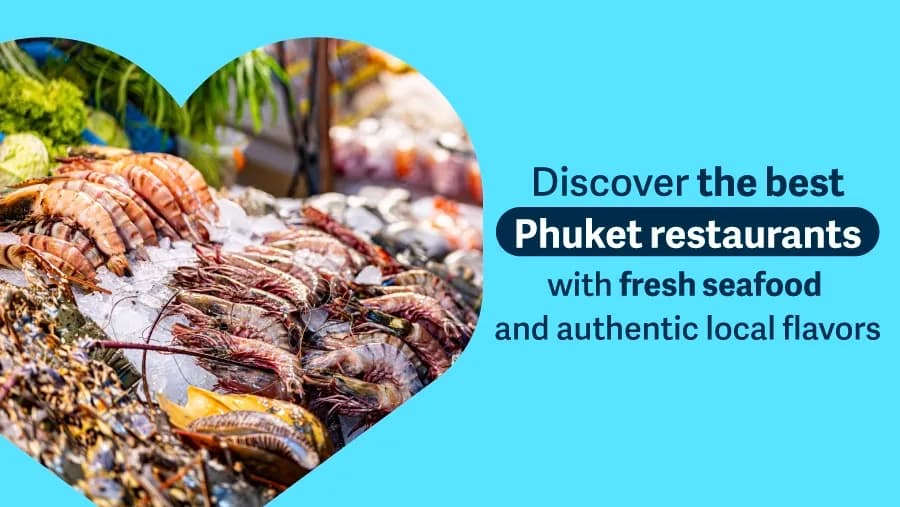
Discover the best Phuket restaurants with fresh seafood and authentic local flavors.
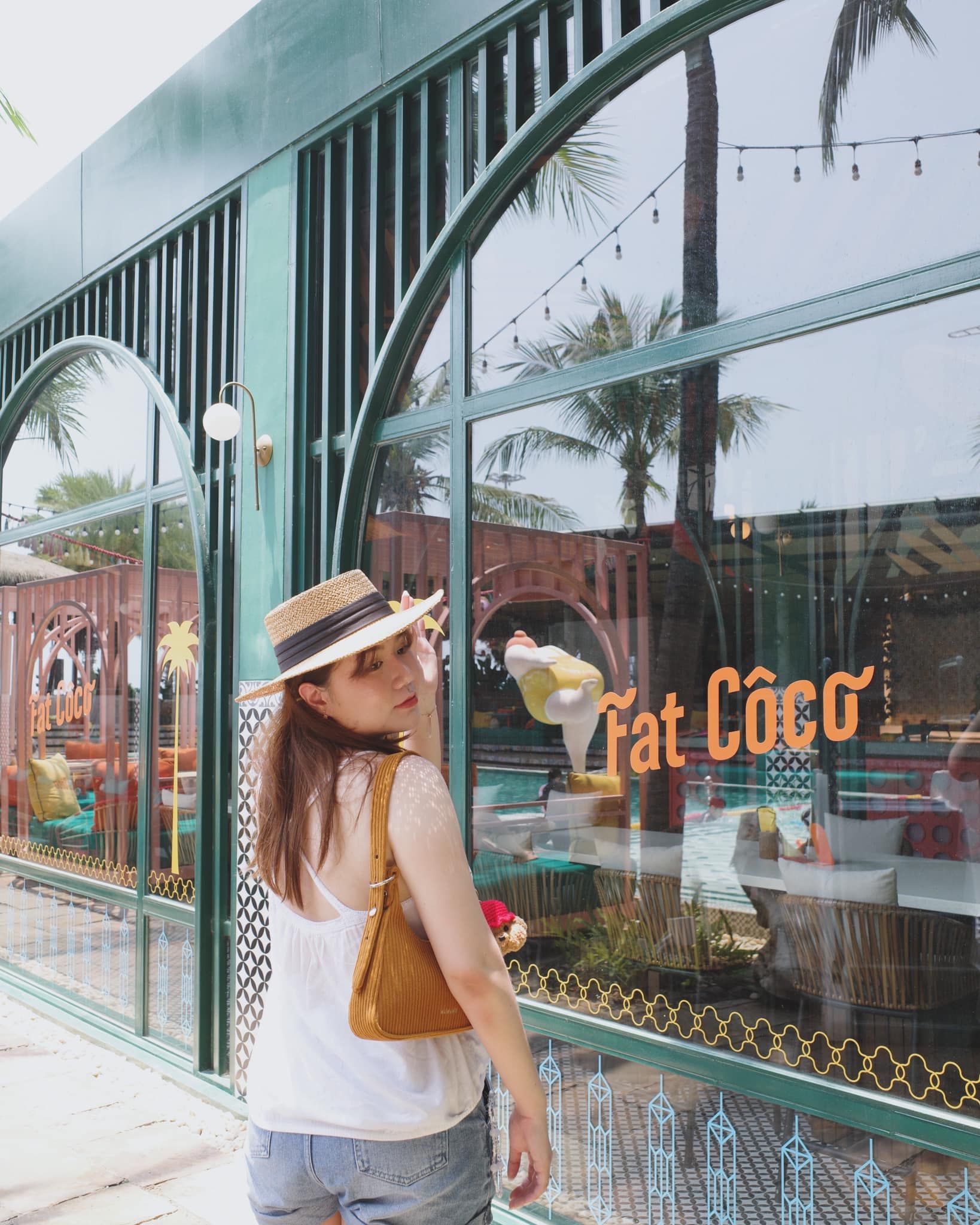
Choosing restaurants in Phuket that are "truly delicious" is not just trendy spots, but is an essential part of visiting the island. After all, Phuket has been recognized as part of the UNESCO Creative Cities Network as a “City of Gastronomy.” Beyond its world-famous beaches, Phuket is also a destination rich in culinary heritage.
One of the most distinctive influences on the island’s food culture comes from the Baba–Yaya (Peranakan) community, whose traditions originated from Hokkien Chinese settlers. Over time, these culinary traditions blended with the island’s abundance of fresh seafood from the Andaman Sea, creating a unique flavor profile that many people describe as the “Flavors of the Andaman.” The cuisine is known for its complex spice combinations, rich traditional recipes, and the exceptional freshness of locally sourced ingredients that are difficult to replicate elsewhere.
In this article, we’ll take you through five legendary restaurants in Phuket, including several that have been recognized by the Michelin Guide under the Bib Gourmand category—restaurants celebrated for offering outstanding food at great value. These carefully selected dining spots are widely considered must-visit destinations, and many would say that a trip to Phuket isn’t complete without trying them.
Let’s explore these iconic restaurants together and discover what makes them truly special.
Zone 1: Phuket Old Town (Mueang Phuket) – Tasting History Through the Plate

The Old Town is where Phuket's food culture originates. Staying or eating in this zone means being surrounded by the aromas of spice blends unchanged for generations, within shophouse walls that have fed families since the tin-mining era. These are the two essential local food Mueang Phuket addresses in the heritage district:
Raya Restaurant (ระย้า) – The Living Museum
Raya is not simply a restaurant. It is a functioning heritage property – a two-storey Sino-Portuguese shophouse with its original structure intact: antique floor tiles in geometric patterns and original wooden shuttered windows that are now genuinely rare in Thailand. Eating here is the closest Phuket's dining scene gets to time travel. It is consistently one of the most recommended Phuket Michelin guide restaurants for traditional southern cuisine.
- Signature Dish – Kaeng Puu Bai Chaphluu (Crab Curry with Wild Betel Leaf): Raya's version uses only the claw meat of large blue swimming crabs – carefully selected for its firm, springy texture. The curry base is made from fresh coconut milk pressed daily, and the curry paste is ground in-house with high-grade turmeric that gives the dish its distinctive earthy fragrance. The flavour is rich and rounded – not aggressively spicy, but with a layered depth that builds across the bowl. Served alongside rice noodles scattered with golden crisp-fried garlic, it is the single most complete expression of what local food Mueang Phuket tastes like at its finest
- Secondary Dish – Moo Hong (Five-Spice Braised Pork Belly): A test of patience and technique: pork belly slow-braised for hours with light soy sauce, coriander root, garlic, and black pepper until the fat layer becomes translucent and yields completely without chewing. Sweet-leading, saline-finishing – a textbook Hokkien preparation
Also Order: Kung Pad Sauce Makham – large prawns fried to a crunch and tossed in reduced tamarind sauce. Sour, sweet, and sticky in exactly the right proportions
One Chun Café & Restaurant (วันจันทร์) – Grandmother's Recipes, Hipster Setting
Where Raya is classical, One Chun is alive – a vintage-decorated restaurant that has taken family recipes from the owner's grandmother and presented them in a space filled with working antique clocks and old radios that still broadcast. It draws both Old Town food pilgrims and a younger Phuket crowd, and it consistently holds its place in the local food Mueang Phuket conversation.
- Must-Order – Kung Siap Nam Phrik (Dried Smoked Prawn Relish): Kung Siap – Phuket's iconic dried grilled skewered prawns – are smoked over coconut wood until they develop a brittle, intensely savoury crust. Ground into a relish with chilli, garlic, and lime, the result covers every taste register simultaneously. Served with a large basket of fresh crudités for cooling and textural contrast
- Also Order: Kaeng Som Pla Kapong Yod Maprao On – sour orange curry with sea bass and young coconut shoot. The southern curry paste here is unambiguously assertive – this is the dish that makes visitors ask for a second bowl of rice
Pro Tip – Old Town Street Dessert: Khanom Apong is a Phuket-specific coconut and rice flour pancake griddled over charcoal – crisp-edged, cloud-soft in the centre, and fragrant with fresh coconut milk. Buy one from a street cart while walking Soi Rommanee and eat it warm. Under THB 30 and genuinely irreplaceable.
Zone 2: Chalong Bay & Mangrove (Mudong) – The Hidden Flavour of the Southern Wetlands
Moving away from the city center of Phuket toward the island’s eastern mangrove coastline, you’ll find a hidden gem beloved by local food enthusiasts. This area is home to a restaurant celebrated for delivering authentic southern Thai flavors that truly capture the essence of regional curry pastes and traditional cooking.
Mor Mu Dong
This iconic local restaurant has earned the Michelin Bib Gourmand distinction—not for luxury or fine dining, but for its deeply authentic flavors. The restaurant is set within a peaceful mangrove forest, where small thatched wooden pavilions sit beside tidal canals. The atmosphere feels relaxed and rustic, as if you were enjoying a homemade meal in a countryside village.
- Unseen Signature Dish: One of the restaurant’s most unique creations is Deep-Fried Stuffed Mackerel. The chef carefully removes the fish bones while keeping the skin intact, then fills the fish with minced mackerel mixed with spicy southern curry paste. It’s fried until golden and crispy, resulting in a dish that tastes similar to Thai fish cakes but with the added texture and aroma of perfectly crisp fish skin.
- Recommended Dishes: Another must-try is Stirred Curry with Mud Snails (Gaeng Kua Hoi Khom), cooked with coconut milk, cha-om leaves, and wild betel leaves. The curry is rich, fragrant, and packed with the bold flavors typical of southern Thai cuisine. It’s the kind of dish that quickly makes one plate of rice feel insufficient.
You should also try Stir-fried Bai Lin Ma, a rare local leafy vegetable known for its distinctive flavor and texture. This dish highlights the use of regional ingredients and offers a taste of Phuket’s authentic home-style cooking traditions.
Zone 3: Rawai Beach – Select from the Boat, Cook to Order

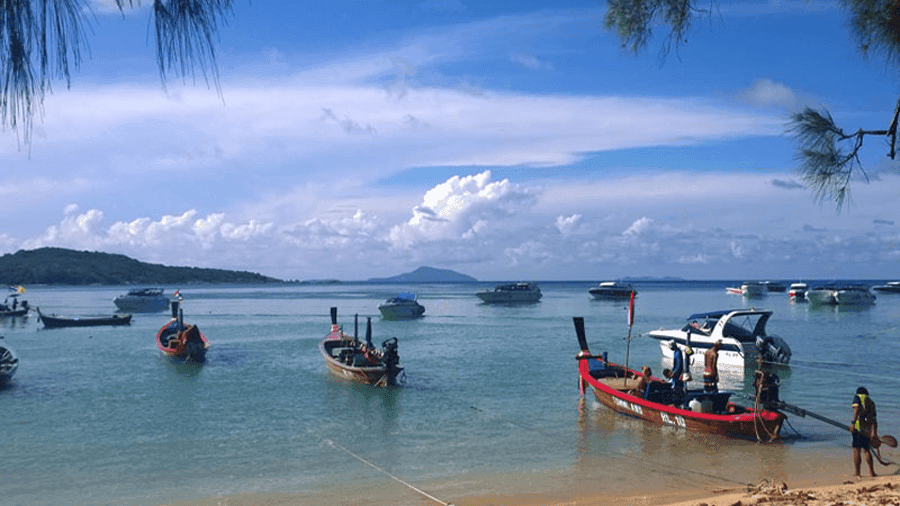
If your goal is to enjoy the freshest seafood on the island, one of the best places to visit is Rawai Beach in the southern part of Phuket. This area is an important fishing hub for local fishermen who still maintain their traditional coastal way of life, which is why the area is often described with the slogan: “Pick it fresh from the boat, have it cooked right in front of you.”
Rawai Seafood Market (Rawai Sea Gypsy Fish Market)
This is not just a typical seafood market. Visiting here offers one of the most enjoyable and authentic seafood dining experiences in Phuket. Travelers can walk through the market and select fresh seafood directly from local fishermen—often referred to as “sea gypsies.” The selection changes daily depending on the catch of the day, meaning every visit brings the chance to discover different varieties of freshly caught seafood.
Pro Checklist for Choosing Seafood
- Phuket Lobster: Choose lobsters that are still swimming or actively moving. A strong tail flick indicates freshness, which means the meat will be sweet, firm, and perfect for sashimi or grilling.
- Blue Swimming Crab: Press gently on the crab’s chest area. If it feels firm and solid, the crab is full of meat. If it feels soft, the crab may have recently molted, which means the meat will be less dense and not as flavorful.
- Andaman Dog Conch (Hoi Chak Teen): A local delicacy from the Andaman Sea. Choose shells that are tightly closed or those with the foot slightly moving—both signs that the shellfish is still alive and fresh.
After selecting your seafood, simply walk across to nearby restaurants such as Mook Manee Seafood or other local eateries around the market. The chefs will cook the seafood you’ve chosen exactly the way you like it. Popular dishes include stir-fried tiger prawns with chili and salt and butter-garlic baked scallops. Because the ingredients come straight from the sea, the natural sweetness and freshness of the seafood truly shine in every bite.
Zone 4: Saphan Hin & Kathu – Ko Ang Seafood, a Phuket Local Legend
Areas where locals and people working in Phuket regularly go for meals are usually home to restaurants that focus more on portion size, ingredient quality, and reasonable prices rather than flashy interior design. These places may look simple, but what keeps customers coming back is their consistent flavors and the freshness of the ingredients—a true reflection of authentic local dining culture. One of the most recommended spots among locals is the following restaurant.
Ko Ang Seafood (Ko Ang Seafood)
- A legendary seafood restaurant that has been part of Phuket’s dining scene for decades, located near Saphan Hin. The restaurant has a simple, airy setting typical of traditional local eateries. While it may not feature luxurious décor, its bold flavors and exceptionally fresh seafood have made it a favorite among both locals and food-loving travelers who know where to find great authentic dishes.
- Signature Dish: The salt-baked sea bass is one of the restaurant’s most famous specialties. A whole sea bass is generously coated with sea salt and baked slowly, allowing the heat to penetrate evenly through the fish. The result is tender, fluffy white meat with a natural sweetness that tastes delicious even without seafood dipping sauce.
- Must-Try Dishes: Another highly recommended dish is sour curry with sea bass and pickled bamboo shoots, a classic southern Thai dish known for its bold and vibrant flavor. The sourness from high-quality pickled bamboo shoots blends perfectly with the spicy southern curry paste, creating a dish that awakens the appetite instantly.
Another favorite is stir-fried clams with chili paste, featuring large, juicy clams tossed in a rich roasted chili sauce. Served with hot steamed rice, it’s the kind of dish that’s so flavorful you’ll find it hard to stop eating.
Ordering Like a Local: How to Get Authentic Southern Flavor
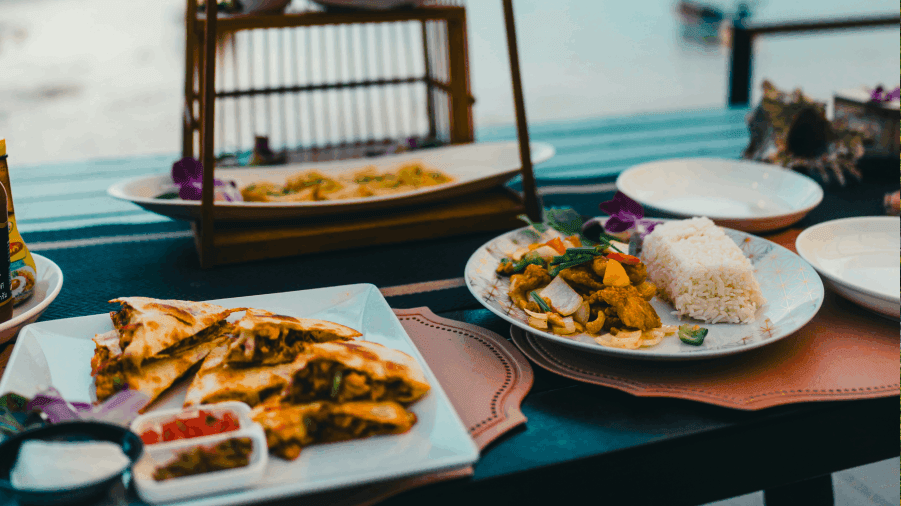
If you want to experience authentic southern Thai flavors the way locals enjoy them, try using these simple tips when dining in Phuket. These small tricks can make a big difference in how you enjoy your meal.
- Order “Pak Kred” (local fresh vegetables)
Southern Thai cuisine is known for its bold and intense flavors. Locals usually have a basket of fresh vegetables—called Pak Kred—on the table to balance the richness and heat of the dishes. Some of these vegetables may have slightly bitter or astringent flavors, but they actually enhance the taste of spicy southern curries very well.
- Make sure the rice is served hot
Southern dishes pair best with freshly steamed hot rice. A helpful trick is to ask the staff to bring the rice after the dishes start arriving, so the rice doesn’t cool down before you begin eating.
- Choose your spice level wisely
If you’re not used to very spicy food, it’s best to request “medium spicy.” The normal spice level for southern Thai cuisine can be quite intense and may be overwhelming for some visitors. But if you want the true local experience, you can ask for “southern style spice” to enjoy the authentic flavor profile.
- Try “Nam Chup” (Southern chili dip)
In southern Thai dialect, “Nam Chup” refers to chili paste or dipping sauces. Popular varieties include Nam Chup Yum (a fresh mashed chili dip) and Nam Chup Kua (a cooked chili paste). Each restaurant often has its own secret recipe, and the dip is usually served with a basket of fresh vegetables. It’s one of the most authentic ways to experience southern Thai cuisine.
Phuket Desserts: How to Cool Down After Southern Heat
After enjoying bold and spicy southern dishes, the culinary culture of Phuket offers a range of traditional desserts that are perfect for refreshing the palate and balancing the body after a rich meal.
- O-Aew: A signature dessert unique to Phuket. It is a translucent white jelly made from bananas and the seeds of the O-Aew plant, a traditional Chinese herbal ingredient. The jelly is served with shaved ice, topped with red syrup and sweet red beans. The result is a refreshing dessert that helps cool the body and relieve thirst—especially perfect for Phuket’s tropical climate.
- Khanom Prik: A traditional cookie-like snack with a crisp texture and buttery aroma. Its distinctive flavor comes from black pepper, giving it a subtle spicy kick that balances the sweetness beautifully. It is often enjoyed with traditional Phuket-style coffee (Kopi) or hot tea, creating a surprisingly delightful combination.
- Tao Sor: A small flaky pastry that has become one of Phuket’s most popular souvenirs. The thin, crispy pastry shell is filled with either sweet filling or savory salted egg yolk filling. Travelers often buy them as gifts from famous local bakeries such as Methee Phuket and Mae Boontham Bakery, both well-known for preserving traditional recipes passed down through generations.
Quick Reference: Best Phuket Restaurants
| Restaurant Name | Must-Try Signature Dishes | Avg. Price per Person | Spiciness / Local Flavor |
| Raya Restaurant | Crab Meat Curry with Cha-plu Leaves, Braised Pork Belly (Moo Hong) | 300–500 THB | Authentic Phuket, balanced, not overly spicy |
| One Chun Café & Restaurant | Crispy Shrimp Chili Paste, Southern Thai Sour Curry with Sea Bass | 250–400 THB | Medium to high spice, authentic Southern style |
| Mor Mu Dong | Deep-fried Stuffed Mackerel, River Snail Curry | 200–350 THB | Very spicy, intense local flavors |
| Rawai Seafood Market + Mook Manee Seafood | Stir-fried Tiger Prawns with Chili & Salt, Grilled Scallops with Garlic Butter | 400–800 THB | Fresh seafood focus, highlights quality over heat |
| Ko Ang Seafood | Salt-Crusted Grilled Sea Bass, Southern Sour Curry with Pickled Bamboo Shoots | 250–400 THB | Medium to high spice, local style |
Match Your Hotel Zone to Your Food Itinerary
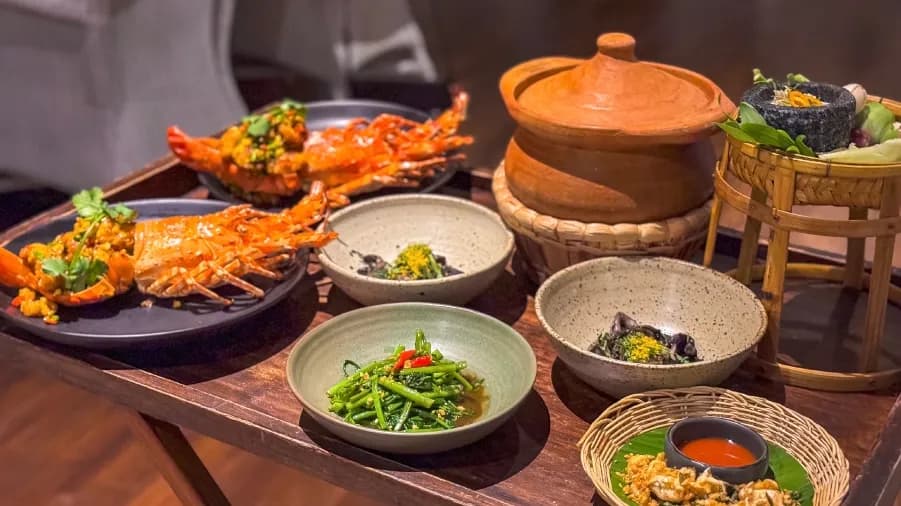
Choosing the right base in Phuket dramatically reduces transport costs – and in a city where taxi fares are high, proximity to your dining destinations matters:


- Gourmet & Heritage Food Trail (Michelin guide Phuket + Old Town street food): Stay in Mueang Phuket district along Thalang Road, Phang Nga Road, or Dibuk Road. You can walk to morning dim sum, a lunch at One Chun, and a dinner at Raya or Tu Kab Khao without any transport. No parking stress, no surge pricing.
- Best Seafood in Phuket (Rawai market + beach restaurants): Stay near Rawai Beach or Kata Beach. Proximity to the Rawai seafood market means you can walk to the pier at any time, select from that morning's catch, and be eating within the hour. The traditional Chao Ley village atmosphere along this shoreline is itself worth experiencing.
- Local Food & Quiet Nature (Mor Mu Dong + mangrove cafés): Stay in the Chalong zone. The hidden Michelin restaurant in the mangrove setting, the relaxed bay atmosphere, and the self-drive access to both the Old Town (20 minutes north) and Rawai (15 minutes south) make Chalong the most food-strategically positioned base on the island.